Costumes & Cosplay
Shop
Occasions
More
These guides help you build a recognizable costume from one or two key pieces plus clothes you already own. You'll learn how long a staff or scythe should be for the wearer, how to wear clip-on horns and costume noses comfortably, how to put together grim reaper, witch, clown, Pinocchio and animal costumes, and what to check before taking a prop to a convention or school. Start with the character you have in mind, or with the prop rules guide if you are heading to an event.
Costumes & Cosplay
Costumes & Cosplay
Costumes & Cosplay
Costumes & Cosplay
Costumes & Cosplay
Costumes & Cosplay
Costumes & Cosplay
Costumes & Cosplay
Costumes & Cosplay
| Costume or question | Start with |
|---|---|
| Grim reaper | Grim reaper costume guide |
| Wizard, sorcerer or vampire staff | How to choose a wizard staff |
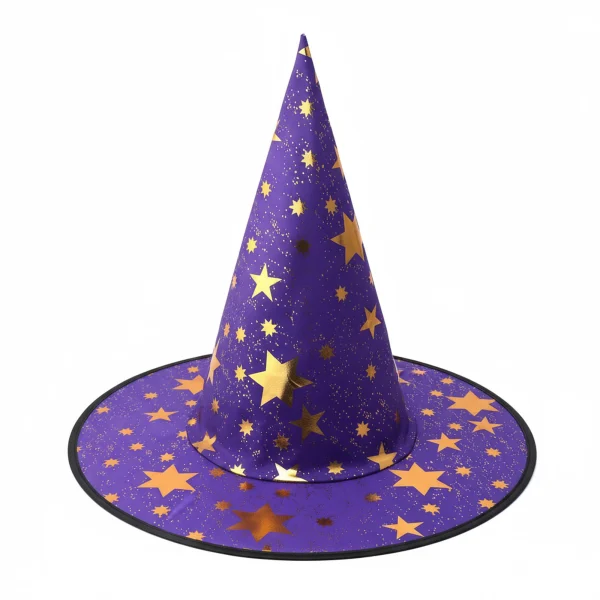
| Witch | Witch costume accessories |
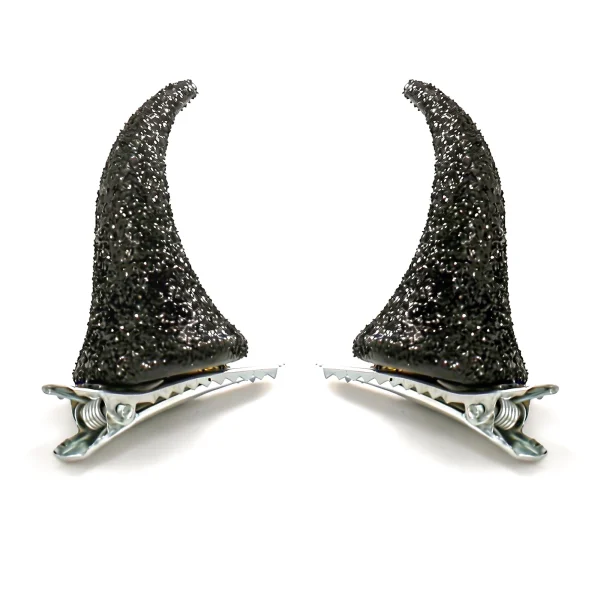
| Devil or demon | Devil horns: clip-on vs headband |
| Clown | Clown costume basics |
| Pinocchio in a school play | Pinocchio costume for a school play |
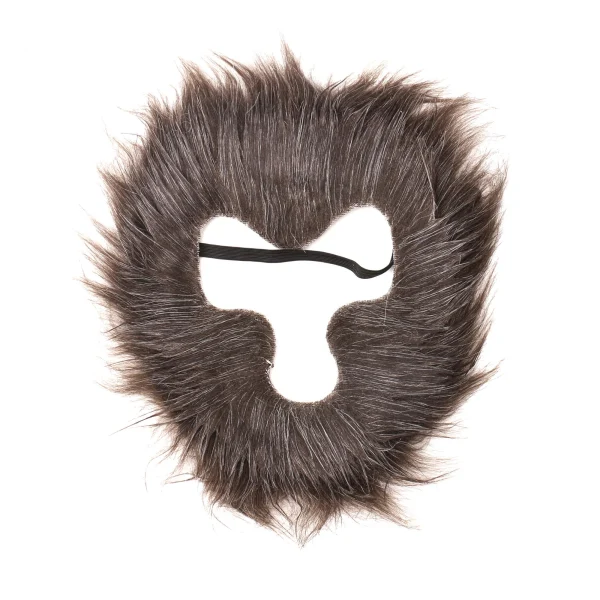
| Animal costume for kids | Easy animal costumes with a felt mask |
| Taking a prop to an event | Convention and school prop rules |
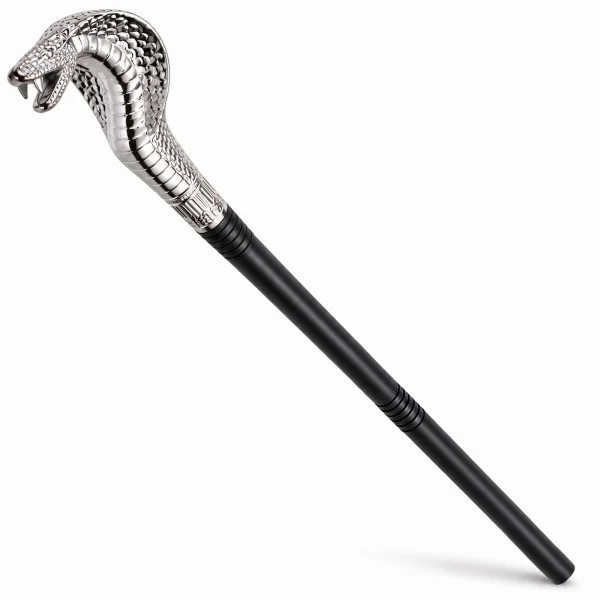
Planning a pharaoh, serpent sorcerer or showman? The snake cane and cobra staff ideas guide covers characters for the cobra-head cane.
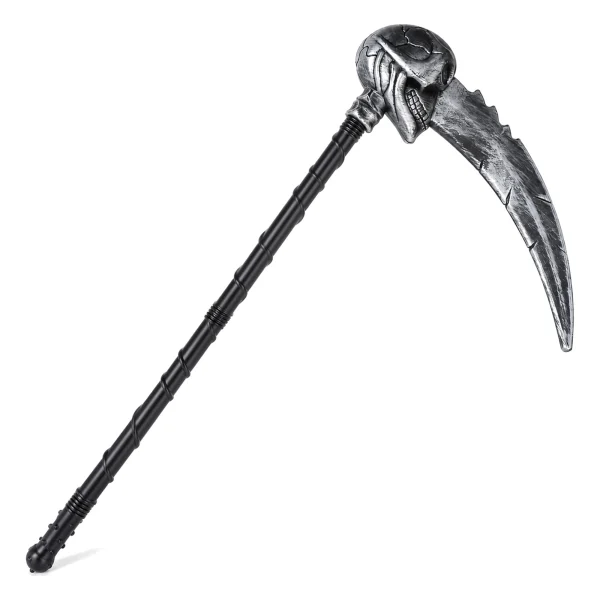
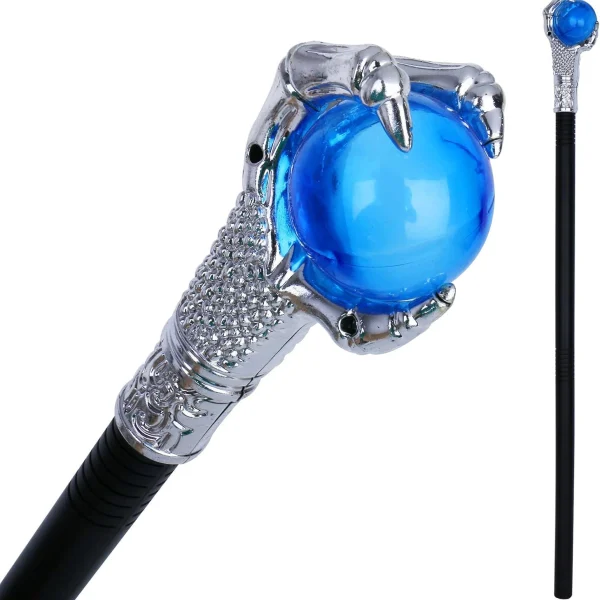
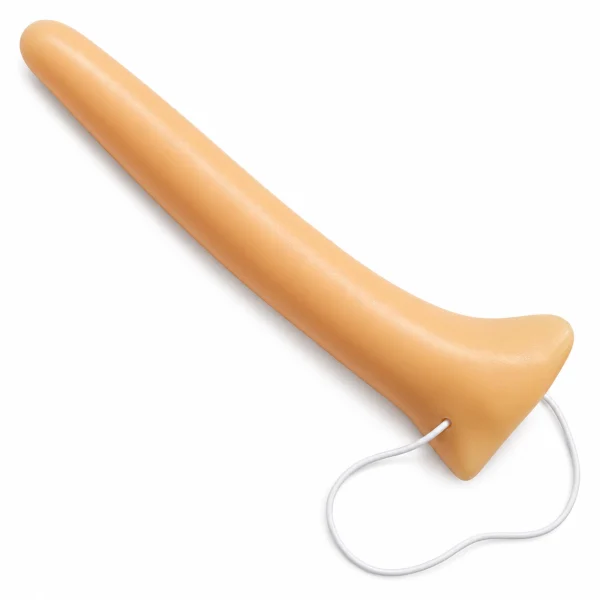
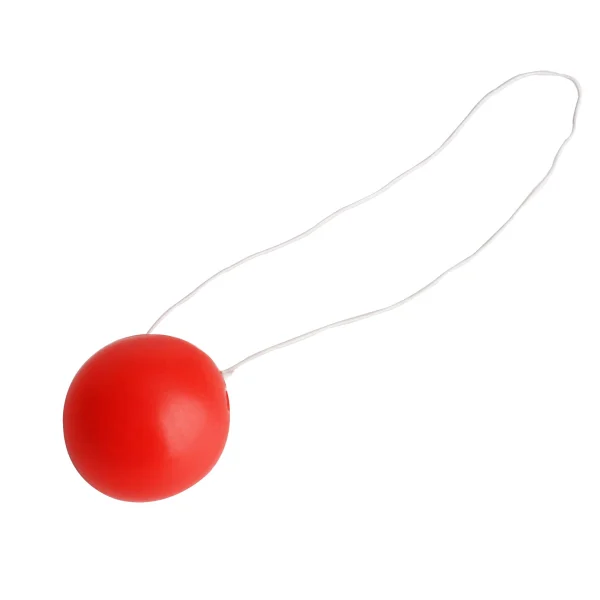
Each guide works from the measurements of the props and accessories we sell: plastic scythes from 28.5 to 33 in, orb staffs at 29.3 and 30.7 in, a cobra cane at about 33.2 in, a 6.29 in long nose, a 1.77 in clown nose, a latex witch nose and 1.57 in horn clips. The characters are generic or public-domain figures, so the advice works whatever version you have in mind.
Where props are concerned, the guides are clear about limits. These are lightweight decorative props for posing and photos. They are not tools, weapons or walking aids, and they shouldn't be swung at people or used to support weight.
As a rule of thumb, a staff reads as full height when it reaches about the wearer's shoulder. A 29 to 33 in staff does that on many preschoolers but stands about hip to wrist height on most adults.
It depends on that event's current prop policy. Measure the prop assembled, know what it is made of, and carry it apart between venues.
No. A red clown nose or a green witch nose with a strap gives the character's face without makeup, and the clown costume guide covers no-makeup options.
Clip-on horns give a small, band-free accent you can place anywhere in your hair or wig. A headband suits big horns or very short hair.
Loading…