Easy animal costumes for kids come together in three layers: a mask that says which animal it is, a one-color base outfit, and one or two signature extras such as a tail, a belly patch or ears. Our felt monkey mask is an open-face design: a furry-looking frame around the face that leaves the eyes, nose and mouth uncovered, held on with a black elastic strap. Add a black or dark brown sweatsuit and a stuffed-sock tail and you have a monkey costume with an evening of simple crafting at most.
This guide walks through why an open-face mask is a practical starting point, a monkey costume by time available, the same recipe applied to other animals, and calm notes on comfort, visibility and care.
What makes easy animal costumes for kids work
Children’s animal costumes succeed or fail on comfort. A costume that’s too hot, blocks their view or makes it hard to eat a snack comes off within the hour. The easiest costumes are built from soft clothes the child already likes wearing, with the “animal” coming from a few added pieces.
- The face piece: a mask, a hood with ears, or simple face paint.
- The base layer: a hoodie and pants or leggings in the animal’s main color.
- The signature detail: one thing that names the animal, such as a tail, mane, belly patch or beak.
- Optional extras: gloves, shoe covers or a prop.
Why an open-face mask is a good starting point
Masks for children vary a lot in how much they cover, and coverage drives comfort. Here’s how the common options compare.
| Face option | Vision | Talking and snacks | Comfort over a few hours | Setup time |
|---|---|---|---|---|
| Full-face rigid mask | Limited to eye holes | Muffled; must come off to eat | Often warm | Seconds |
| Half mask over the eyes | Limited to eye holes | Easy | Fair | Seconds |
| Open-face mask (ours) | Eyes uncovered | Easy | Good, if the fit is right | Seconds |
| Face paint | Clear | Easy | Depends on the child’s skin | 10 to 20 minutes |
| Ears on a headband only | Clear | Easy | Good | Seconds |
An open-face mask keeps the child’s own expressions visible, which matters for photos and for school plays where the audience needs to see faces. It also skips face paint entirely, which helps children with sensitive skin or those who won’t sit still for it.
Check the fit before the day
Faces differ in shape, so try the mask on a few days ahead. Check that the opening lines up around the eyes, nose and mouth, that the elastic strap doesn’t press or pinch, and that the furry frame doesn’t crowd the child’s side vision when they turn their head. If it feels uncomfortable, stop wearing it. The mask is listed in the big-kid range, and it’s also used by adults, so a small child may find it roomy.
Build a monkey costume around the mask
The mask is black with a furry-looking frame, so a black or dark brown base layer makes the whole costume read as one animal. With an all-black outfit, the same mask also passes for a chimp or gorilla.
| Element | 10 minutes | One evening | A weekend |
|---|---|---|---|
| Face | Felt monkey mask | Felt monkey mask | Felt monkey mask |
| Base layer | Black or brown hoodie and pants | Same | Same, with hood up for warmth |
| Belly | None | Tan felt oval, safety-pinned from inside | Tan felt oval, stitched on |
| Tail | None | Long brown sock stuffed with fiberfill | Sewn felt tube with stitched seams |
| Hands | Bare | Brown gloves | Gloves with tan felt palms |
| Prop | None | Toy or plush banana | Toy banana bunch in a small basket |
Making a quick monkey tail
Fill a long brown or black sock with fiberfill or a rolled strip of old towel, tie or stitch the open end closed, and attach it to the back of the waistband. An adult should do the attaching: a few hand stitches are the most secure, or use safety pins fastened from the inside of the waistband. Keep the tail short enough to stay off the floor so it can’t be stepped on, and don’t add wire to make it curl, since wire ends can poke through.
A monkey king variation
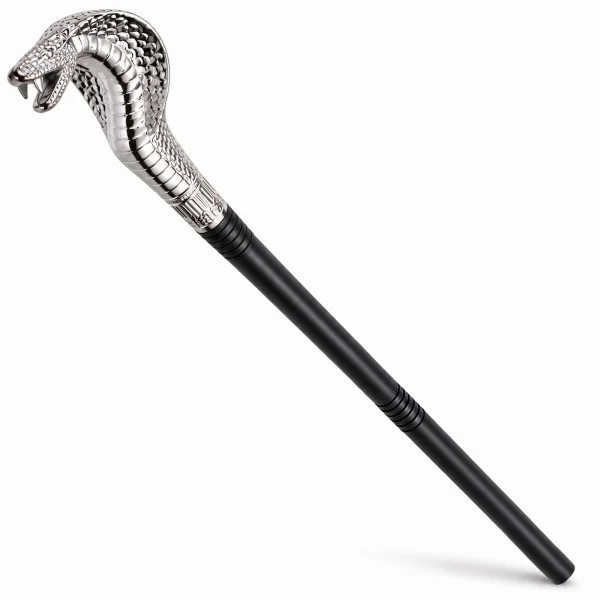
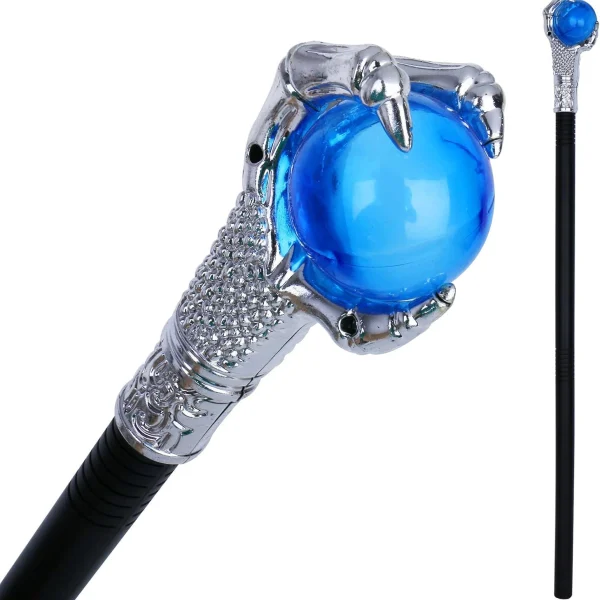
For an older child, the Monkey King from the classic Chinese novel Journey to the West is a fun twist. Add a gold band across the forehead above the mask, a red or gold tunic over the base layer, and a simple staff for a costume that stands out from the usual monkey.
The same recipe for other animals
If your child wants a different animal, keep the structure: base color, one signature detail, then a face piece. A simple homemade felt mask or ears on a headband fills the face role.
| Animal | Base color | Signature detail |
|---|---|---|
| Bear | Brown | Round felt ears and a tan belly patch |
| Lion | Mustard or tan | Yarn mane around the face, tufted tail |
| Cat | Black, gray or orange | Pointed ears, a long tail, drawn whiskers |
| Fox | Orange | White chest patch, bushy tail with a white tip |
| Owl | Brown | Rows of felt feather scallops on a cape |
| Donkey | Gray | Long upright ears, short tail with a tuft |
| Penguin | Black | White felt front oval, orange felt feet |
Making a simple felt mask
Draw the shape on paper first and hold it up to the child’s face. Make the eye openings generously large; a common rule of thumb is to cut them wider than looks necessary, because a mask that moves slightly shouldn’t block vision. Cut the shape from stiff felt, stitch elastic to each side rather than relying on glue alone, and trim any sharp corners near the face.
School plays and group costumes
Animal roles show up in many school and community productions. In a Pinocchio play there’s the Talking Cricket, the Fox and the Cat, and the scene where Pinocchio becomes a donkey; see our Pinocchio costume for a school play guide for the rest of that cast. For a circus or zoo-themed group, monkeys pair well with clowns; our clown costume basics covers that side.
The monkey mask comes one per pack, so count one for each child playing a monkey. Write names on a strip of tape inside each mask so they don’t get swapped backstage. More ideas for performances are in our cosplay and stage play collection.
Calm notes on comfort and safety
- Do a full dress rehearsal at home: walk, climb stairs, sit down, eat a snack and use the bathroom in the costume. Anything that’s awkward at home will be harder at a party.
- For Halloween trick-or-treating, dark animal costumes are hard to see. Add reflective tape to the back of the hoodie or the treat bag and give the child a flashlight.
- Sew on buttons, pom-poms and googly eyes rather than gluing them for younger children, and keep an adult nearby with little ones, since small decorations can come loose.
- Take the mask off for breaks, and stop if the strap feels tight.
Caring for a felt mask
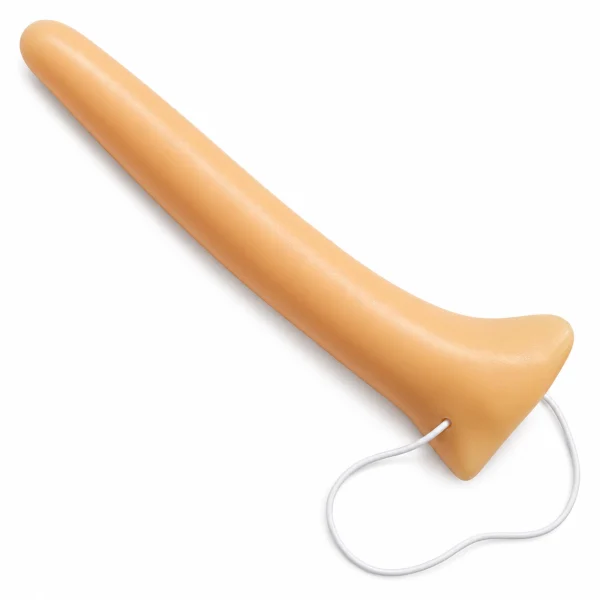
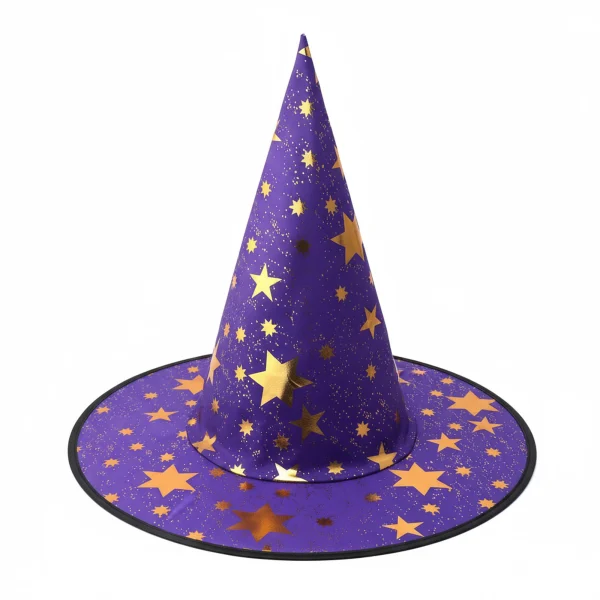
Hand wash the mask gently in cold water and let it air dry flat. Don’t put it in the washing machine or send it for dry cleaning. Store it flat in a bag or box so the frame keeps its shape until the next dress-up day. For other noses, horns, hats and masks, browse our costume accessories.
Step by step
- Try the mask on
A few days ahead, check that the opening lines up around the eyes, nose and mouth and the elastic strap doesn't pinch.
- Choose the base layer
Pick a black or dark brown hoodie and pants or leggings to match the mask.
- Add a belly patch
Cut a tan felt oval and attach it to the front with safety pins from the inside or a few stitches.
- Make the tail
Stuff a long sock with fiberfill, close the end and have an adult stitch or pin it to the back of the waistband, short enough to stay off the floor.
- Add hands and a prop
Brown gloves and a toy banana finish the look; skip gloves if the child needs to hold a treat bag.
- Do a dress rehearsal
Have the child walk, sit, eat a snack and use the bathroom in costume to catch problems early.
Frequently asked questions
Does the monkey mask cover the whole face?
No. It's an open-face design with a furry-looking frame around the face. The eyes, nose and mouth stay uncovered, so the child can see, talk and eat with it on.
Will the monkey mask fit an adult?
It's sold as a kids' mask in the big-kid range and is also used by adults. Face shapes vary, so try it on and check that the opening lines up with the eyes, nose and mouth.
What should my child wear with a monkey mask?
A black or dark brown hoodie and pants or leggings, so the outfit matches the mask. Add a tan felt belly patch and a stuffed-sock tail for a complete monkey.
How do I wash a felt animal mask?
Hand wash it gently in cold water and let it air dry flat. Don't machine wash or dry clean it, and store it flat so the frame keeps its shape.
How do I make a monkey tail without sewing?
Stuff a long brown sock with fiberfill, knot or rubber-band the open end, and have an adult fasten it to the back of the waistband with safety pins from the inside. Keep it short enough to stay off the floor.
Can the monkey mask work for other animals?
It's designed as a monkey. With an all-black outfit it can pass for a chimp or gorilla, and it suits a Monkey King look with a gold forehead band and a red or gold tunic.
Are open-face masks better for trick-or-treating?
Keeping the eyes uncovered helps with clear vision, which matters when walking around after dark. Do a test walk at home first, add reflective tape to the costume or treat bag, and carry a flashlight.