To use electrical tape, switch off and unplug whatever you are working on, start the wrap on clean, dry insulation, pull the tape just enough that it narrows slightly, and spiral it so each turn covers half of the turn before. Lay the last turn with no stretch and press the end down so it doesn’t lift.
It also helps to know what the tape is for. Electrical tape is a covering: it insulates, marks and bundles. It is not a connector, and a wrap of tape is not a repair for damaged household wiring.
What is electrical tape, and what is it used for?
The common kind is a thin, stretchy plastic tape with a pressure-sensitive adhesive on one side. Our black, red and white electrical tape 3-pack, for example, has a 5.1 mil (about 0.13 mm) PVC vinyl backing with a rubber-based adhesive. The backing does not conduct electricity, and because it stretches, it pulls itself snug around round and uneven shapes instead of standing off like paper tape.
That stretch is how the tape works. A lightly stretched wrap keeps trying to shrink back, so it grips the cable and each layer presses onto the one below. Typical jobs:
- Insulating and covering: an added layer over intact insulation, connector bodies and cable jackets, within the ratings printed on the tape’s package.
- Marking: a colored band that tells one wire, cord or cable run from another.
- Bundling: holding several wires or cords together in a tidy run.
- General wrapping: grip on a tool handle, a tag on a charger, a tidy end on a rope or cable sleeve.
How to use electrical tape properly, step by step
- Make it safe. Unplug the device, or switch off the circuit at the breaker, before you touch any wiring. If you are not sure a wire is dead, don’t touch it.
- Check that it is a tape job. Marking, bundling and covering sound insulation are tape jobs. Joining wires and fixing a damaged cord are not; see the sections below.
- Clean and dry the surface. Dust, oil and moisture are the usual reasons tape lets go. Wipe the cable and let it dry.
- Start on sound material. Begin about a tape-width before the area you want to cover, and press the first turn onto itself all the way around.
- Stretch lightly and half-overlap. Pull until the tape narrows a little, then spiral along the cable so each turn covers about half of the previous one. A half-overlap leaves two thicknesses of tape everywhere in a single pass.
- Keep the wrap smooth. Hold the roll close to the work and keep steady tension. Wrinkles and gaps are where a wrap starts to open, so back up and redo a turn that puckers.
- Finish without tension. Lay the last full turn with no stretch, cut the tape with scissors or a knife instead of snapping it, and press the end down. A stretched end pulls back over time and lifts into a sticky flag.
Stretch is a matter of degree. Too little and the wrap is loose; pulled to its limit, the tape thins out and creeps back later. Aim for a slight narrowing, and ease off completely on the final turn.
How much electrical tape should you use?
For marking, two or three turns on top of each other make a clear band. For a covering wrap, a common rule of thumb is one half-overlapped pass out and one pass back, which gives roughly four thicknesses, extending a tape-width or more past the area on both ends. If the job has a rating to meet, the tape’s package and the equipment maker’s instructions decide, not a rule of thumb.
Can you use electrical tape to connect wires or cover exposed wires?
No. Tape has no way to hold two conductors together under pressure, and a twisted-and-taped joint can loosen, heat up and fail where you can’t see it. Wires are joined with a proper listed connector that matches the wire type and size, such as a twist-on connector (wire nut), a lever or push-in connector, a crimp connector or a terminal block, installed the way its maker says and enclosed where your local code requires.
The same goes for exposed copper. If the insulation on a household cable is nicked, cracked or missing, or a cord is cut or frayed, wrapping it hides the damage without fixing it. Replace a damaged cord or the appliance lead, and have exposed or damaged house wiring looked at by a licensed electrician. Until then, leave it switched off and unplugged.
Electrical tape vs wire nuts
These two do different jobs, so it is not a choice between them. A wire nut makes the connection; tape covers, marks and bundles. People also ask how to use electrical tape with wire nuts. A correctly sized, correctly installed connector holds on its own, so tape is not what keeps it on, and it is not a fix for a connector that feels loose. A loose connector needs to be remade, and if you are unsure it is done right, that is a job for an electrician. Follow the connector maker’s instructions and your local code.
Electrical tape vs heat shrink
Heat shrink is a plastic sleeve that you slide over a wire and shrink with a heat gun. Both are coverings, and neither joins wires. The practical difference is access and finish.
| What it is | Good for | Limits | |
|---|---|---|---|
| Electrical tape | Stretchy adhesive tape wrapped by hand | Marking, bundling and covering where you can’t slide a sleeve on; easy to redo | Depends on your wrapping; edges can lift with heat, oil or age |
| Heat shrink tubing | Sleeve that tightens when heated | A smooth, low-profile cover on a finished connection | Must go on before the connection is made; needs a heat source and the right size |
| Wire connector (wire nut and similar) | A device that holds conductors together | Making the actual connection | Must match the wire size and count; not a marker or a bundling tool |
Electrical tape vs normal tape, masking tape and painter’s tape
Household tapes are built for different jobs, and the differences are in the backing and the adhesive. Paper tapes don’t stretch, so they can’t pull themselves tight around a cable, and paper is not made to be an insulating layer.
| Tape | Backing | Stretch | Typical job | On wires and cords? |
|---|---|---|---|---|
| Vinyl electrical tape | PVC vinyl | Stretches and conforms | Insulating, marking, bundling | Yes, within its package ratings |
| Masking tape | Crepe paper | Almost none | Masking for paint, short-term labels | Only as a temporary written label |
| Painter’s tape | Paper with a low-tack adhesive | Almost none | Clean paint lines, removes easily | Only as a temporary written label |
| Duct tape | Cloth with a plastic coating | Little | General holding and patching | No; it is not an insulating tape |
| Friction tape | Cloth with a rubber-based coating | Little | Grip and abrasion protection, often as an outer layer | As a tough over-wrap, per its own package |
Electrical tape vs friction tape
Friction tape is the older, cloth-based tape: grippy, tough against rubbing, and not stretchy. Vinyl tape is smoother, stretches to seal onto itself and comes in colors for marking.
Marking and bundling wires with colored tape
A band of colored tape near each end of a cable is a quick way to identify it. The three colors in our set cover the common household needs: black blends in on dark cords, red stands out as a flag, and white takes permanent marker, so you can write on it.
| Color | Handy everyday use | Common wiring convention (varies; verify locally) |
|---|---|---|
| Black | Low-key wraps and bundles on dark cords | Often marks a hot conductor in US home wiring |
| Red | Flags such as “do not unplug”; the positive lead on low-voltage hobby and car projects | Often marks a second hot conductor; positive on many DC leads |
| White | Write-on labels for chargers and cable ends | Often marks neutral in US home wiring |
Treat the right-hand column as background, not instructions. Color conventions differ by country, by system and by the age of the installation, and a band of tape never changes what a wire actually does. Re-identifying conductors inside a panel or junction box is governed by code, so leave that to an electrician and never trust a color without testing.
For bundling, lay the wires side by side, then put two or three turns of lightly stretched tape around the bundle every 8 to 12 in (20 to 30 cm), a rule of thumb you can tighten for short runs. Spot wraps leave the bundle flexible and are easier to undo than a full spiral.
Non-electrical uses around the house
- Tag look-alike chargers and plugs with a color band or a white write-on flag, so each family member knows which is theirs.
- Band cords behind a desk or TV in matching colors at both ends, so you know which plug belongs to which device.
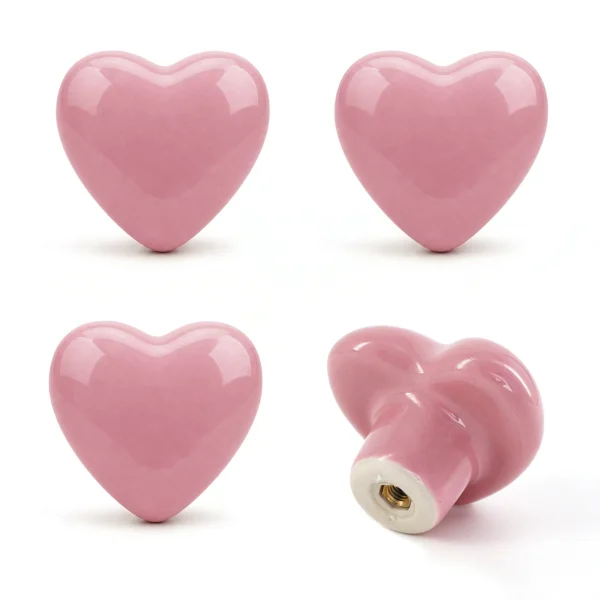
- Add grip to a tool handle, broom or bike pump with an overlapped spiral. For new handles on cabinets instead, see our guide on installing drawer knobs.
- Wrap the end of a rope or braided sleeve before cutting through the tape, to limit fraying.
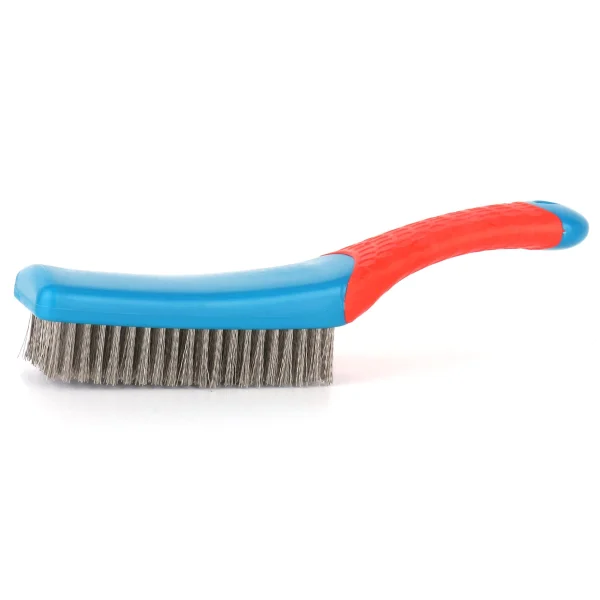
Tape won’t stick to rust or loose paint. On metal handles and tools, clean down to a sound surface first; our guide on how to use a wire brush covers that. You’ll find the tape with other workshop basics in tools and hardware.
Is electrical tape waterproof?
Vinyl itself resists moisture, so a splash or damp air won’t soak into it the way it soaks into paper tape. A hand-wrapped spiral, though, is a stack of overlapping edges, and water can work along them. Treat a wrap as moisture-resistant, not as a waterproof seal. Our 3-pack is intended for indoor use or protected outdoor spots on clean, dry surfaces; it is not intended for submerged, buried or permanent contractor installations. Wet locations call for products made and rated for them.
How to store electrical tape and remove sticky residue
Keep rolls somewhere cool, dry and out of direct sun, and store them in a bag or box so the sticky edges don’t pick up dust and grit.
To remove old tape, unplug the cord first and peel slowly, folding the tape back on itself. If it has gone brittle or gooey, a little warmth from a hair dryer softens the adhesive. Wipe off leftover residue with a cloth dampened with rubbing alcohol or a household adhesive remover, testing a hidden spot first because solvents can dull some plastics and finishes. Let the cord dry fully before plugging it back in, and look at what was under the tape: if the jacket is damaged, replace the cord.
How to choose electrical tape
Start with the package: it states the voltage and temperature the tape is rated for, and those ratings need to cover your job. After that, it comes down to practical details.
- Width and length. Narrow rolls turn more easily on thin wires and in tight spots. The rolls in our three-color tape set are 0.62 in (about 16 mm) wide and 32.8 ft (10 m) long each, 98.4 ft (30 m) in total, sized for home and hobby jobs more than bulk shop use.
- Colors. One black roll covers general wrapping. Add colors if you plan to mark or label.
- Rating. The tape in our set is a general-purpose insulating tape rated up to 600V. That describes the tape, not any particular job done with it.
For more small fixes and organizers, browse home and everyday finds.
Step by step
- Switch off and unplug
Unplug the device or switch off the circuit at the breaker before touching any wiring. If you are not sure a wire is dead, don't touch it.
- Check that it is a tape job
Tape is for marking, bundling and covering sound insulation. Joining wires needs a proper connector, and a damaged cord needs replacing.
- Clean and dry the surface
Wipe off dust, oil and moisture so the adhesive can grip.
- Start on sound material
Begin about a tape-width before the area you want to cover and press the first turn onto itself.
- Stretch lightly and half-overlap
Pull until the tape narrows a little, then spiral so each turn covers about half of the one before.
- Keep the wrap smooth
Hold the roll close, keep steady tension, and redo any turn that wrinkles or leaves a gap.
- Finish without tension
Lay the last turn with no stretch, cut the tape instead of snapping it, and press the end down firmly.
Frequently asked questions
How does electrical tape work?
The vinyl backing doesn't conduct electricity, and it stretches. Wrapped with light tension, it tries to shrink back, which presses each layer onto the one below and onto the cable. The adhesive holds the layers in place; the overlap does the covering.
What is electrical tape made of?
Most general-purpose electrical tape is a PVC vinyl film coated with a pressure-sensitive adhesive. The tape in our 3-pack has a 5.1 mil PVC vinyl backing and a rubber-based adhesive. Friction tape is different: it is a cloth tape with a rubber-based coating.
Can I use electrical tape to tape wires together?
You can tape wires side by side to bundle them. You should not use tape to join conductors electrically. A connection needs a listed connector matched to the wire size, and anything in your home's fixed wiring that you are unsure about is a job for a licensed electrician.
Can I put electrical tape on an exposed wire or a frayed cord?
Tape hides that kind of damage; it doesn't repair it. Unplug the cord and replace it, or replace the appliance lead. For exposed or damaged wiring in walls, boxes or fixtures, keep the circuit off and call a licensed electrician.
Can I use masking tape or painter's tape instead of electrical tape?
Not for covering wires. Both are paper tapes made for painting: they don't stretch around a cable and are not made as insulation. They are fine for a temporary handwritten label on a cord.
Why does my electrical tape keep unraveling?
Usually the end was stretched when it was pressed down, so it pulls back and lifts. Dust, oil or a damp surface, heat and old tape cause the same problem. Rewrap on a clean, dry surface and lay the final turn with no tension.
Do you need tape over a wire nut?
A correctly sized and installed twist-on connector is designed to hold by itself, so tape isn't what secures it. If a connector feels loose, it should be remade, not taped. Follow the connector maker's instructions and your local code.
Does electrical tape leave residue?
It can, especially after heat or a long time in place. Warm the tape with a hair dryer, peel it slowly, and wipe what's left with rubbing alcohol on a cloth after testing a hidden spot. Unplug the cord first and let it dry before use.