Here’s how to install drawer knobs: measure the drawer front’s thickness first, because the screw has to pass through the wood and still reach well into the knob’s threaded hole. Then mark the center with a template, drill a straight hole from the front, push the screw through from inside the drawer and tighten the knob until it’s snug. Our pink heart ceramic drawer knobs come four to a pack with four 1.06 in (about 27 mm) screws and metal thread inserts, and they fit single-hole drawer fronts or cabinet doors 0.59 to 0.86 in (15 to 22 mm) thick.
Most knob problems, such as wobbling, spinning, or a knob that won’t pull tight, come down to screw length or a crooked hole. This guide covers both, plus where to place knobs so a row of drawers lines up.
What you need
- Knobs and their screws
- Tape measure or ruler (calipers are handy but optional)
- Pencil and painter’s tape
- A scrap of cardboard or thin wood for a template
- Drill and a bit sized for the screw (only if there’s no existing hole)
- A scrap block of wood to back the hole while drilling
- A manual screwdriver
How long should drawer knob screws be?
The screw has two jobs: cross the full thickness of the drawer front, and leave enough thread inside the knob to hold it firmly. A practical rule of thumb is to aim for at least about 3/16 in (5 mm) of screw inside the knob, without going deeper than the knob’s threaded hole. If the screw is too long, it bottoms out in the knob before the knob seats against the drawer, and the knob wobbles no matter how hard you turn it. If it’s too short, it only catches a thread or two and pulls loose.
Measure the thickness at the existing hole, or at the top edge of the drawer front if there’s no hole yet. Check whether the front is one solid board or a decorative front fastened over the drawer box; the second kind can be twice as thick as it looks from the edge.
Knob screw length vs drawer thickness
This table uses the 1.06 in screws included with our heart knobs. The “left inside the knob” column is simply the screw length minus the drawer thickness.
| Drawer front thickness | Where you see it | Left inside the knob | What to do |
|---|---|---|---|
| 1/2 in (12.7 mm) | Some small furniture and thin panels | About 0.56 in | Outside the listed range: the screw may bottom out. Add a washer under the screw head or use a shorter screw. |
| 5/8 in (about 16 mm) | Many flat-pack dressers | About 0.43 in | Use the included screw. |
| 3/4 in (19 mm) | Solid wood fronts, many cabinet doors | About 0.31 in | Use the included screw. |
| 0.86 in (about 22 mm) | Thick fronts | About 0.20 in | Upper limit of the listed range; check the knob tightens fully. |
| 1 in (25.4 mm) | Heavy solid fronts | About 0.06 in | Too short. Buy a longer screw with the same thread. |
| 1-1/4 in (32 mm) or more | Decorative front over a drawer box | Doesn’t reach | Buy a longer screw with the same thread. |
Knob screws come in different thread standards. Many knobs sold in the US use 8-32 machine screws, and many others use metric M4; they look alike but don’t interchange. Our product facts don’t list this knob’s thread, so if you need a longer screw, take one of the included screws to a hardware store and match it there.
Where to put drawer knobs
There’s no single correct spot, but these common conventions keep a piece of furniture looking tidy:
- Drawers: center the knob left to right. Top to bottom, the center of each drawer front is the usual choice; on a dresser with drawers of different heights, centering on each front looks consistent.
- Wide drawers: a common rule of thumb is that drawers wider than about 24 in (61 cm) get two knobs, each set roughly a quarter to a third of the width in from the ends.
- Cabinet doors: put the knob on the side opposite the hinges, about 2 to 3 in from the edge. On upper cabinets, place it near the bottom corner; on lower cabinets, near the top corner.
How many knobs you need
Count one per drawer or door, plus two for each wide drawer. A pack of four covers a four-drawer dresser; a six-drawer dresser needs two packs and leaves two spares, and an eight-drawer dresser needs exactly two packs.
Marking the hole with a template
A template guarantees every knob lands in the same spot. Cut a piece of cardboard to the width and height of one drawer front, mark the center, and punch a small hole through it. Line the template up with the drawer’s top and side edges and mark through the hole with a pencil.
For a quick way to find the exact center of a rectangular front, put painter’s tape across it and draw two diagonal lines from corner to corner; they cross at the center. The tape also protects the finish and reduces chipping when you drill.
Drilling the hole cleanly
If your furniture already has holes in the right place, skip this step. Otherwise, choose a bit slightly larger than the screw’s diameter so the screw slides through freely; for the common knob screw sizes that’s usually 3/16 in (about 5 mm). Hold a screw against the bit to confirm before you drill.
- Drill from the front (the show side), so any splintering ends up inside the drawer.
- Clamp or hold a scrap block tight against the inside face. It stops the wood tearing out where the bit exits.
- Keep the drill square to the surface; a crooked hole makes the knob sit at an angle.
- Remove the drawer and lay it on a table if you can. Drilling horizontally into a fixed drawer is harder to keep straight.
How to install drawer knobs without cracking ceramic
Push the screw through from the inside of the drawer and start the knob onto it by hand. The knob’s metal thread insert takes the screw, so the ceramic itself isn’t bearing the threads.
Shaped knobs need one extra step. A heart only looks right one way up, so hold the knob in position with one hand while you turn the screwdriver from inside the drawer with the other. Tighten until the knob stops turning and sits firmly, then stop. Ceramic is hard but brittle, and over-tightening can crack it or strip the insert. That’s why a manual screwdriver is the right tool here rather than a power drill or impact driver.
Open and close each drawer a few times and check the knobs again after a week of use. If one works loose, a small lock washer under the screw head or a drop of removable thread-locking compound on the screw threads usually stops it.
Fixing common knob problems
| Problem | Likely cause | Fix |
|---|---|---|
| Knob wobbles even when the screw is tight | Screw too long, bottoming out in the knob | Add a washer under the screw head or use a shorter screw. |
| Knob pulls loose | Screw too short | Use a longer screw with the same thread. |
| Knob sits at an angle | Hole drilled off square | Fill the hole with wood filler or a glued dowel, let it cure and redrill. |
| Old two-hole pull left holes | Switching from a pull to a single knob | Fill both holes and drill a new center hole, or use a decorative backplate that covers them. |
| Finish chipped around the hole | Drilled without tape or backing | The knob usually covers it; next time, tape the spot and use a backer block. |
Updating a kids’ dresser
Pink heart knobs suit a girl’s room, nursery dresser or vanity. While you’re updating a child’s dresser, check that the dresser is anchored to the wall with a tip-over restraint kit. Knobs give small hands and feet something to grip, and anchoring is a good habit for any dresser in a room where children play. Store spare screws out of reach of small children.
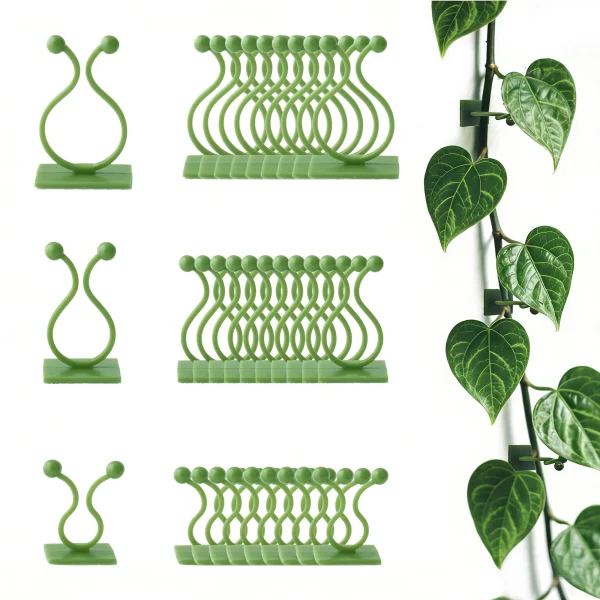
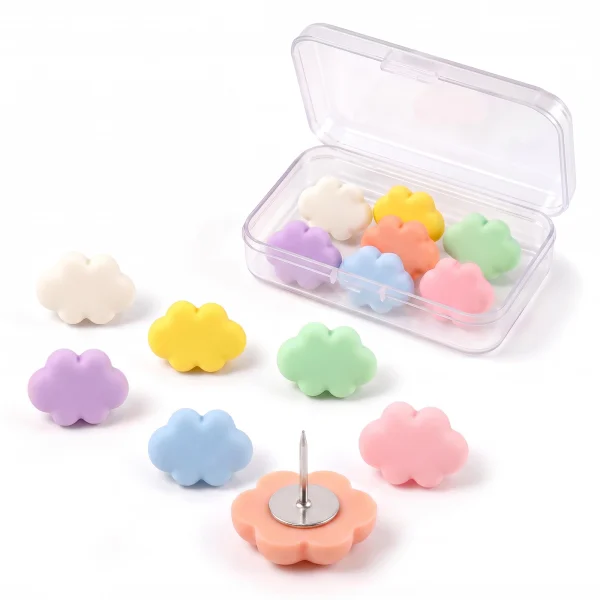
For other small room updates, see our guide to decorative push pins for corkboards and photos, or train a vine up a wall with our guide on training climbing plants with wall clips. More useful pieces are in our home and everyday finds.
Step by step
- Measure the drawer front
Measure thickness at the existing hole or the top edge, and check whether a decorative front is fastened over the drawer box.
- Check the screw length
Subtract the thickness from the screw length; you want at least about 3/16 in (5 mm) left for the knob, without bottoming out.
- Mark with a template
Cut cardboard to the drawer front's size, punch a hole at the knob position and mark every drawer through it.
- Drill straight from the front
Use a bit slightly larger than the screw, keep the drill square, and back the inside face with a scrap block.
- Insert the screw and start the knob
Push the screw through from inside the drawer and thread the knob on by hand.
- Hold the shape upright and tighten
Keep a heart knob upright with one hand while turning the screwdriver from inside; stop as soon as it's snug.
- Recheck after a week
Open each drawer a few times, then retighten any loose knob or add a lock washer.
Frequently asked questions
What size screw do I need for drawer knobs?
Long enough to pass through the drawer front and leave at least about 3/16 in (5 mm) inside the knob, a common rule of thumb, but not so long that it bottoms out. The included 1.06 in screws suit fronts 0.59 to 0.86 in thick.
My drawer front is 1 in thick. Will the included screws work?
No, a 1.06 in screw leaves almost no thread inside the knob at that thickness. Buy a longer screw with the same thread; take one of the included screws to a hardware store to match it.
Why does my new knob wobble even though it's tight?
The screw is usually too long and is hitting the bottom of the knob's threaded hole before the knob seats. Add a washer under the screw head inside the drawer or switch to a shorter screw.
Can I replace a two-hole pull with a single knob?
Yes. Fill both old holes with wood filler and drill a new hole at the center, or use a decorative backplate that covers the old holes.
What size drill bit do I use for a knob screw?
Slightly larger than the screw so it slides through freely; for common knob screws that's usually 3/16 in (about 5 mm). Hold the screw against the bit to check before drilling.
Where should knobs go on a dresser drawer?
Centered left to right and usually centered top to bottom. Drawers wider than about 24 in often get two knobs, each a quarter to a third of the width in from the ends.
How many packs do I need for an 8-drawer dresser?
Each pack has four knobs, so an eight-drawer dresser needs two packs, assuming one knob per drawer.