To use a toothpaste squeezer, flatten the empty end of the tube, feed that flat tail into the squeezer, and turn the handle or slide the squeezer toward the cap. Each turn rolls the tube up behind it, so the paste is pushed forward and stays near the opening. When you need more, give it another turn instead of squeezing the middle of the tube.
That is all a squeezer does: it replaces uneven thumb pressure with steady pressure from the bottom up. Our toothpaste squeezer roller 2-pack works this way with a turning handle and a standing base, and fits plastic and aluminum-plastic tubes whose tail is narrower than 2.16 in (5.5 cm).
What is a toothpaste squeezer, and what is it called?
A toothpaste squeezer is a small tool that rolls or presses a tube from the sealed end toward the cap. You will see it sold as a toothpaste tube squeezer, tube roller, tube wringer, tube key or toothpaste roller tool. The names describe the same job with slightly different mechanisms.
The main types are:
- Roller with a handle (crank type): the tail goes into the body, and turning a handle winds the tube around a roller. Many of these can stand on a counter.
- Slide-on clip or press: a flat clip with a narrow gap that you slide along the tube toward the cap, pushing paste ahead of it.
- Key type: a slotted metal or plastic key. You slip the tail into the slot and turn the key, so the tube wraps around it like an old sardine-tin key.
- Wall-mounted dispenser: a larger unit that holds the tube upside down and presses it when you push a lever or a toothbrush against it. It is a dispenser rather than a pocket tool.
How to use a toothpaste squeezer, step by step
The method is the same for most roller and key squeezers. Start with a tube that is still fairly full if you can; a squeezer is easiest to fit before the tube is crumpled.
- Flatten the tail. Press the last inch or two of the tube flat with your fingers, pushing any paste up toward the cap.
- Insert the flat end. Feed the crimped tail straight into the squeezer’s opening so it sits square, not at an angle.
- Turn until it grips. Turn the handle slowly until you feel the tube catch and begin to roll.
- Dispense as needed. Take the cap off and give a quarter or half turn for each use. Turn only until paste appears at the opening.
- Store it upright. Recap the tube and stand it on the base, or lay it flat if your squeezer has no stand.
Turn in one direction only. Winding back and forth loosens the grip and can make the tube slip out.
How to use a toothpaste squeezer key
A key-type squeezer needs a flat tail that fits its slot. Slide the slot over the tail until the crimp passes through it, then turn the key so the tube wraps tightly around the shaft. Keep the tube straight as you turn; if it winds on crooked, the roll gets lopsided and starts to tear at the edge. Leave the key on the tube between uses.
How to assemble or install a toothpaste squeezer
Most handheld squeezers need no assembly. “Installing” one simply means loading the tube, as in the steps above. If your squeezer came with a separate base, handle or cap piece, press those parts together first, then load the tube.
Wall-mounted dispensers are different. They usually attach with an adhesive pad, so clean and dry the tile, press the mount on firmly and follow the maker’s instructions on how long to wait before loading it. A roller squeezer with a standing base, like ours, needs no wall mounting at all; it sits on the counter or a shelf.
Metal vs plastic toothpaste squeezers
Both materials do the same job. The difference is mostly how they handle a damp bathroom and how much they weigh.
| Type | How it works | Good for | Watch out for |
|---|---|---|---|
| Plastic roller with handle | Turn a handle to wind the tube | Daily toothpaste, easy grip, standing on a counter | Tube tail must fit the opening width |
| Metal key | Turn a slotted key around the tail | Thin tubes, paints, ointments | Small key is fiddly; plain steel may rust if left wet |
| Slide-on clip | Push the clip toward the cap | Quick use, travel bags | Can slide back on soft tubes |
| Wall-mounted dispenser | Holds tube upside down, press to dispense | Shared family bathrooms | Needs a clean wall and occasional refilling |
Our squeezer is made of ABS, a hard, impact-resistant plastic, and the listing describes it as water-resistant for humid bathrooms. Plastic also stays light enough to stand on its base without tipping the tube. Metal keys are slim and last a long time, but check that a metal key is a rust-resistant metal if it will live next to the sink.
Key type vs roller type: which is easier?
A roller with a handle is usually easier for children, older adults or anyone with limited hand strength, because the handle gives you more leverage than a small key. Our roller’s handle is designed for that kind of easy turning. A key is smaller and lighter, so it suits a travel kit or a drawer of art supplies.
How to fix a toothpaste squeezer that slips or gets stuck
Most problems come from the tube, not the tool. Work through these in order:
- Slipping or spinning without rolling: the tail is not in far enough. Pull the tube out, flatten the end again and push it in until it sits square and snug.
- Tube pops out after a few turns: the tail may be wider than the opening, or curled. Our squeezer fits tails under 2.16 in (5.5 cm); a wider tube will not seat properly.
- Roll is lopsided or the tube tears at one side: the tube went in at an angle. Unwind it, straighten it and start again.
- Handle feels stiff: dried paste has built up inside. Remove the tube and rinse the squeezer in warm water, then let it dry.
- Paste comes out the bottom: the tube has split. Move the paste to a new tube or finish it soon; rolling a split tube tighter pushes more out of the crack.
Thin metal tubes, which some paints and ointments use, can crack if you roll them very tight. Turn slowly and stop when you feel resistance.
How to make a toothpaste squeezer at home
If you need something tonight, a few household tricks do a similar job, though none is as neat as a dedicated tool:
- Binder clip: roll the tail up by hand and clip it with a large binder clip so it can’t unroll.
- Chip clip or clothespin: same idea, best for soft plastic tubes.
- Pencil or chopstick: tape the tail to a pencil and roll the tube around it, like a homemade key.
These work, but a clip can slip as the roll gets thicker, and a pencil leaves the roll free to unwind. A squeezer holds the roll for you.
Other tubes a squeezer works with
The same idea works on almost any soft squeeze tube. Our squeezer’s listing names toothpaste, facial cleansers, hand creams, cosmetic tubes, artist paints and glues. Because the set has one blue and one white squeezer, you can keep one on toothpaste and use the other for hand cream or a craft box, so you don’t mix them up.
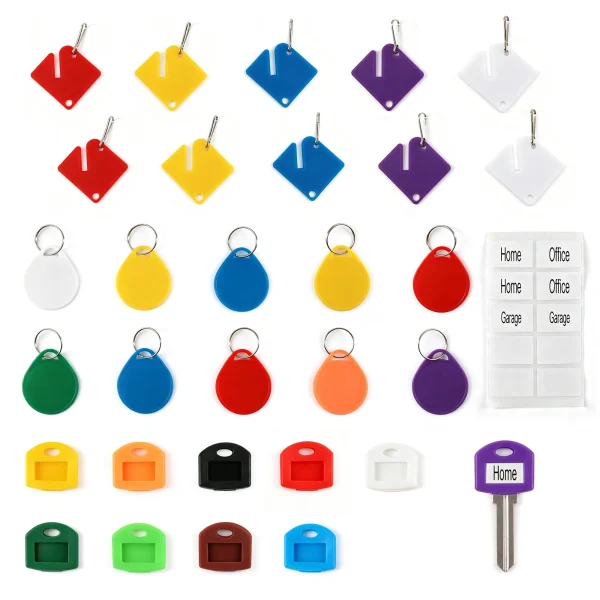
For paints and glue, wipe the squeezer after use so dried product doesn’t build up on the roller. If you organize craft or tool supplies by color, the same habit works with color-coded key tags for keys.
Keeping the squeezer and tube clean
Rinse the squeezer under warm water whenever you change tubes, and wipe it if paste gets on the handle. Let it air dry before loading the next tube. Keep the cap on the tube between uses so the paste at the opening doesn’t dry into a plug.
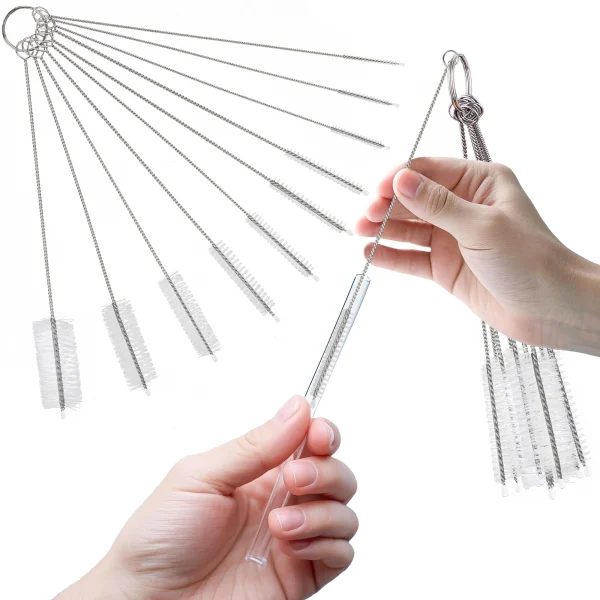
A squeezer is one small part of a tidy sink area. Pair it with vented toothbrush covers for brush heads and a silicone soap dish for bar soap. If you like caring for small bathroom and kitchen tools, our guide on cleaning reusable straws covers similar rinse-and-dry habits. You can browse more small household helpers in our home and everyday finds.
What to look for when choosing a toothpaste squeezer
Instead of searching for the best toothpaste squeezer, match the tool to your tubes and hands:
- Tail width: measure the flat end of your usual tube and compare it with the squeezer’s opening.
- Tube type: plastic and plastic-laminate tubes roll easily; thin metal tubes need a gentler hand.
- Grip: a handle is easier than a small key if turning small parts is hard for you.
- Storage: a standing base keeps the tube upright and off a wet counter.
- Count: a 2-pack lets you cover two bathrooms or two different products.
For our set, the tube squeezer product page lists the full size: each squeezer measures about 2.36 x 1.57 x 1.37 in.
Step by step
- Flatten the tail
Press the last inch or two of the tube flat and push the paste up toward the cap.
- Insert the flat end
Feed the crimped tail straight into the squeezer's opening so it sits square, not at an angle.
- Turn until it grips
Turn the handle slowly in one direction until the tube catches and starts to roll.
- Dispense a little at a time
Uncap the tube and give a quarter or half turn per use, stopping when paste reaches the opening.
- Recap and store upright
Put the cap back on and stand the tube on the squeezer's base, or lay it flat if there is no stand.
Frequently asked questions
Does a toothpaste squeezer work on any tube?
It works on most soft squeeze tubes as long as the flat tail fits the opening. Ours fits plastic and aluminum-plastic tubes with a tail narrower than 2.16 in (5.5 cm). Hard bottles and pump containers won't work.
Why does my toothpaste squeezer keep slipping?
Usually the tail isn't pushed in far enough, or it went in crooked. Unwind the tube, flatten the end again and reinsert it straight until it feels snug, then turn in one direction only.
Do I need to remove the squeezer before the tube is empty?
No. Leave it on and keep turning as the tube empties. When the roll reaches the cap and nothing more comes out, take the tube out and load the squeezer onto a new one.
Is a metal or plastic toothpaste squeezer better?
Neither is better for every case. Plastic rollers are light, easy to grip and can stand on a counter; metal keys are slim and durable but are smaller to turn and should be rust-resistant if they stay by the sink.
Can kids use a toothpaste squeezer?
A roller with a handle is easy to turn, which is why many households with children or older adults use one. Show younger kids to turn a little at a time so they don't push out too much paste.
How do I clean a toothpaste squeezer?
Take the tube out, rinse the squeezer under warm water to clear dried paste, and let it air dry before loading the next tube. Our squeezer is made of water-resistant ABS plastic.
Can I use it for paint or hand cream?
Yes. Our listing names hand creams, facial cleansers, cosmetic tubes, artist paints and glues as well as toothpaste. Keep one of the two squeezers for toothpaste and the other for non-bathroom tubes.