To use a soap dish, rinse the lather off your bar, shake off the drips and set it on the dish’s raised ridges or slots, in a spot the shower spray or faucet splash doesn’t reach. Air gets under the bar and water drains away, so the soap firms up between uses instead of turning slimy. Scrub the dish about once a week.
A flat, solid dish holds a puddle under the soap; ridges, drain slots or slats lift the bar so less water and residue collect underneath. Our silicone shell soap dish does this with raised shell grooves on a tray about 5.9 x 4.7 x 0.4 in (15 x 12 x 1 cm).
How to use a soap dish, step by step
A soap dish needs three things from you: a flat spot out of the spray, a drained bar laid on the ridges, and a quick weekly clean.
- Choose a spot out of the stream. A shower shelf, niche, sink ledge or counter works if the shower head or faucet doesn’t splash it.
- Face the drain side downhill. On a sloping shelf, turn an open-edged or slotted dish so runoff heads toward the shower or sink, not against the wall.
- Rinse and shake the bar. Suds left on top run down and dry into a sticky film on the dish.
- Lay it flat on the ridges. No edge should hang over the side, where drips run back under the bar.
- Let it dry between uses. If one bar is used morning and night, rotate two so each gets a full day to firm up.
- Clean the dish weekly. Rinse out soap film, scrub with a drop of dish soap and let it dry before the bar goes back.
Soap dish ideas for the shower: where to put it
In the shower, put the soap dish on a shelf or niche the spray doesn’t hit, usually on the same wall as the shower head and below it.
A shower head points away from its own wall, so a shelf there stays out of the main stream, while a ledge on the opposite wall often takes the full spray. If the stream lands on the dish for most of your shower, move it: no dish drains faster than running water refills it.
Waist height or a little higher keeps the bar in reach and away from splash off the floor; skip the tub rim and shower floor. The Inxens Silicone Soap Dish sits on a shelf rather than mounting to the wall, so check you have a flat area of about 5.9 x 4.7 in (15 x 12 cm).
By the bathroom or kitchen sink
Set the dish beside the faucet rather than behind it, where splashes collect. If drips would mark a wood vanity, use a two-piece dish with a catch tray. A ridged tray also works as a sponge rest by the kitchen faucet; see more kitchen and sink helpers.
Bar soap holder ideas: which type drains best
The 5 common soap dish types differ mainly in where the water goes: off an edge, through slots, between slats, down through a rack, or into a tray.
| Type | How water leaves | Cleaning effort | Suits | Watch for |
|---|---|---|---|---|
| Ridged silicone | Ridges lift the bar; water runs off between them | Low: rinse and flex | Shower shelves, niches, sink ledges, sponge rest | Runoff lands on the surface around it |
| Slotted or draining ceramic | Through holes or slots in the base | Medium: film builds up in the holes | Vanities, wide shower shelves | Breaks if dropped; puddles underneath unless it has feet |
| Slatted wood or bamboo | Between the slats | Higher: must dry out fully | Sink sides, dry spots outside the spray | Darkening, mildew or cracks if kept wet |
| Wall-mounted rack or suction holder | Straight down through wire or holes | Low to medium: clean behind the mount | Showers with no shelf | Suction cups can let go |
| Two-piece draining dish (slotted top over a catch tray) | Into the lower tray | Medium: empty the tray every few days | Wood vanities, counters, kitchen sinks | A full tray wets the bar from below |
Choose a two-piece draining dish when the surface under it has to stay dry, such as a wood vanity. In the shower, choose a one-piece ridged or slotted dish: runoff goes straight to the drain and there is no tray to empty. With no shelf at all, a wall rack below the shower head beats a dish on the floor.
What is a bar soap holder called?
Usually a soap dish, soap holder or soap tray. Draining styles are also sold as soap savers, and wire or wall-mounted ones as soap racks.
How to clean a soap dish or bar soap holder
Clean a soap dish about once a week with warm water, a drop of dish soap and a soft brush, then dry it completely before the bar goes back.
Soap film plus constant damp is where slime and mildew start. The US EPA notes that no type of mold grows without water or moisture, and advises scrubbing mold off hard surfaces with detergent and water, then drying completely. That routine suits a soap dish too.
- Silicone: Rinse under warm running water while bending the tray slightly to pop film out of the grooves, then wipe or air dry. That is all the Inxens dish needs.
- Ceramic: Scrub the drain holes and underside, where film hides. A soak in diluted white vinegar can loosen cloudy hard-water film; rinse well. Use the dishwasher only if the maker says it’s dishwasher safe.
- Wood or bamboo: Wash quickly in soapy water, rinse and stand it on edge to dry. Don’t soak it or put it in the dishwasher.
- Wall racks and suction holders: Take them down now and then to clean behind the mount and under the suction cups.
A soap dish doesn’t need bleach. If you use vinegar, never combine it with bleach: the Alabama Department of Public Health warns that mixing bleach with acids such as vinegar can release chlorine gas, and that bleach with ammonia makes toxic chloramine gas.
Is bar soap from a shared soap dish clean?
Bar soap is a sound choice for handwashing: the CDC says both bar and liquid soap work well to remove germs and recommends plain soap in either form.
A 1988 study in Epidemiology and Infection tested whether germs pass from a used bar. Researchers at a soap maker’s lab put E. coli and Pseudomonas aeruginosa on deodorant soap bars at about 70 times the level found on used bars, then had 16 people wash with them. None had detectable levels of either bacterium on their hands afterward, and the authors concluded that washing with a previously used bar poses little hazard. It is one small study.
So a dish isn’t a germ treatment; its job is the bar. Soap left in a puddle goes soft and washes away faster, while a bar that dries between uses stays firm. The CDC adds that you need to scrub for 20 seconds to remove germs, whichever soap you use. The same air-dry logic applies to storing a toothbrush uncovered.
DIY soap dish ideas: what makes a homemade holder work
A homemade soap dish works when the bar rests on raised points or slats and the water has a way out, through holes, gaps or an open edge.
- Raise the bar. Ridges, bumps or slats keep most of its underside in the air.
- Give water an exit. Drill drain holes, leave gaps between slats, or tilt the dish toward an open edge.
- Pick a surface that dries. Glazed ceramic, silicone, sealed wood or rust-proof metal; unglazed clay and raw wood stay damp.
A quick version: lay 2 or 3 chopsticks across a small saucer as rails and empty the saucer every few days. For pottery soap dish ideas, the same rules hold whether you throw or hand-build it: raise ridges or bumps on the floor, cut drain holes or a spout, and glaze every surface the soap touches.
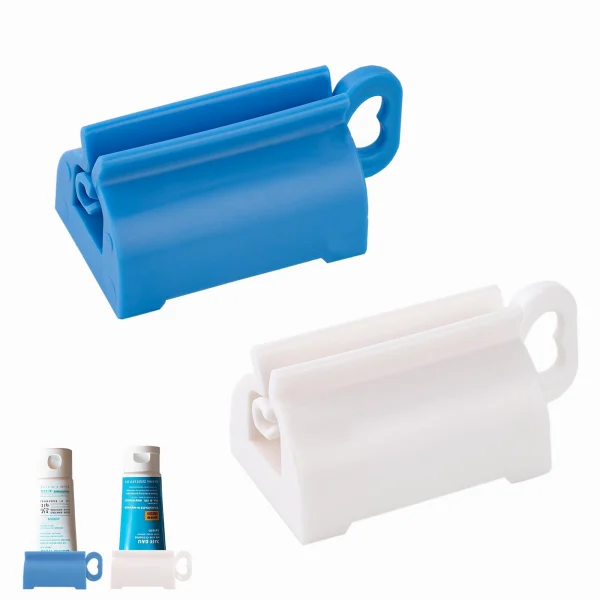
For more small helpers, browse our everyday home finds or tidy the rest of the sink with a toothpaste squeezer.
Step by step
- Choose a spot out of the spray
Set the dish on a flat shelf, niche, sink ledge or counter that the shower stream or faucet splash doesn't reach.
- Face the drain side downhill
On a sloping shelf, turn an open-edged or slotted dish so runoff flows toward the shower or sink, not against the wall.
- Rinse and shake the bar
Rinse the lather off after use and shake off the drips so suds don't dry into film on the dish.
- Lay the bar on the ridges
Rest the bar flat on the raised points with no edge hanging over the side.
- Let it dry between uses
Leave the bar to firm up before its next use; rotate two bars if one is used morning and night.
- Clean the dish weekly
About once a week, rinse out soap film, scrub with a drop of dish soap and let the dish dry before the bar goes back.
Frequently asked questions
Why does my bar soap still get mushy on a soap dish?
Water is still reaching it. The usual causes are a dish in the path of the spray, a drain edge facing the wall, a full catch tray, or a bar so large it hangs over the edge. Move the dish out of the stream, empty the tray and check the bar touches only the ridges.
What size soap dish do I need?
One a little larger than your bar on every side, so no edge overhangs. The Inxens Silicone Soap Dish is about 5.9 x 4.7 in (15 x 12 cm) and suits standard-size bars; an oversized bar may hang over its edge.
Is a silicone or ceramic soap dish better?
Silicone is light, flexes so film rinses out of the grooves, and is less likely to break if it falls onto tile. Ceramic is heavier and feels sturdier, but it can chip or break and its drain holes need scrubbing. In a busy shower, silicone is the easier one to live with.
Can I use a soap dish for a sponge or a shampoo bar?
Yes. A ridged tray beside the kitchen faucet lets a sponge drain between uses. Shampoo and conditioner bars need the same treatment as hand soap: a raised, draining spot out of the spray.
Can a soap dish go in the dishwasher?
Only if its maker labels it dishwasher safe. Ours isn't sold with that claim, so rinse it under warm running water, flex it to clear the grooves and wipe it dry. Keep wood and bamboo dishes out of the dishwasher.
When should I replace a soap dish?
When it cracks, chips, warps, or keeps a stain or smell that a scrub won't remove. A wood or bamboo dish that stays dark or feels soft after drying out should go first.
Sources
- Centers for Disease Control and Prevention — Hand Hygiene Frequently Asked Questions
- Epidemiology and Infection (via PubMed Central) — Heinze & Yackovich, Washing with contaminated bar soap is unlikely to transfer bacteria (1988)
- US Environmental Protection Agency — A Brief Guide to Mold, Moisture and Your Home
- Alabama Department of Public Health — Don't Mix Household Chemicals