Stretch fake spider web in palm-size pieces: flatten a tuft, pull it slowly from the center outward in several directions, then hook the edges on corners, rough surfaces or small bits of tape. A pack labeled 10 sq ft (0.9 sq m) reaches that figure only when pulled thin and see-through; dense, cottony webbing covers about half as much. Keep candles at least 12 in (30 cm) away, the minimum gap the U.S. Fire Administration gives for anything that burns, and keep the web indoors, where wildlife can’t get caught in it.
How much area does one pack of spider web cover?
A pack labeled 10 sq ft (0.9 sq m) covers about 10 sq ft stretched thin and see-through, and roughly 5 sq ft pulled into dense, cottony patches.
The Olen fake spider web decoration with 2 spiders states 10 sq ft of coverage, with the spread depending on strand density. The half-coverage figure for a dense look is our planning estimate. To size a display, measure each spot and divide:
- Corner webs are triangles. A web that runs 2 ft along the top of a door frame and 2 ft down the side covers about 2 sq ft (2 x 2 ÷ 2), not 4.
- Packs needed = total area ÷ 10 for a see-through web, or ÷ 5 for a dense one, rounded up.
| Spot | Shape and size | Area | Packs, see-through | Packs, dense |
|---|---|---|---|---|
| Two upper door corners | 2 triangles, 2 x 2 ft | 4 sq ft | 1 (half used) | 1 |
| Top corners and edge of a 3 ft window | 2 triangles, 1.5 x 1.5 ft, plus a 0.5 x 3 ft strip | about 4 sq ft | 1 (half used) | 1 |
| Mantel strip | 1 x 5 ft | 5 sq ft | 1 | 1 |
| Stair railing | 10 ft long, 1 ft deep | 10 sq ft | 1 | 2 |
| Bookshelf front | 3 x 6 ft | 18 sq ft | 2 | 4 |
Worked example, a living room: two doorway corners (4 sq ft), the top of a 3 ft window (about 4 sq ft) and a 1 x 5 ft mantel strip (5 sq ft) total about 13 sq ft. See-through, 13 ÷ 10 = 1.3, so buy 2 packs and use the leftover on a wreath. Dense, 13 ÷ 5 = 2.6, so buy 3.
Step by step: stretching fake spider web
Each piece gets the same 4 moves: flatten a palm-size tuft, pull it open from the center, hook the edges on 2–4 anchors, and draw out strands.
Flatten, then stretch from the middle
Tear off a tuft about the size of your palm and press it into a flat, even pad; pull apart or discard hard knots. Push the fingers of both hands into the center and pull outward slowly, giving the piece a quarter turn between pulls so it opens in all directions instead of into one rope. Stop when you can see through most of it and the holes range from coin-size to fist-size. Fast yanks tear the fibers into clumps.
Hook the edges
Stretched webbing clings to texture: corners, wood grain, brick, rough fabric and frame edges. On smooth paint, glass and plastic, press the edges under small pieces of painter’s tape where they won’t show. Our guide to hanging decorations without damaging walls covers what won’t mark paint.
Add strands, layers and spiders
Pinch a few fibers at the edge of the web and draw them out to a nearby anchor, like the spokes of a wheel, then lay a second, thinner piece over sparse patches; two thin layers look more natural than one thick one. Tuck the 2 black plastic spiders from the Olen pack slightly off center near eye level, with a dab of mounting putty on a vertical web.
Common mistakes and quick fixes
Most stretching problems have 3 causes: pieces that are too big, too few anchor points, or smooth surfaces the fibers can’t grip.
- It looks like a cotton ball. Pull it off, open it up from the center, and re-hang it thinner.
- It sags into a hammock. Add a strand to a third anchor near the low point.
- It looks flat and even. Real webs are uneven: leave some areas nearly bare and make one or two denser patches near corners.
- Strands keep falling. Add a tiny piece of tape at each anchor, hidden behind a fold of web.
How far should spider webbing stay from candles and heat?
Keep fake spider webbing at least 12 in (30 cm) from any candle, the minimum gap the U.S. Fire Administration gives for anything that burns.
Battery candles are the simpler choice anywhere near a web. The U.S. Consumer Product Safety Commission (CPSC) points the same way for Halloween: use battery-operated lights or glow sticks in jack-o’-lanterns instead of open-flame candles, keep any real candles away from curtains and decorations, and never leave a burning candle unattended. Give space heaters and fireplaces more room: the USFA’s holiday advice keeps Christmas trees at least 3 ft (91 cm) from heat sources like these, a sensible gap for webbing too. To light a web, place a battery puck light or LED string behind or beside it; the CPSC advises using only light sets tested by a recognized testing laboratory and checking each set for cracked sockets, frayed wires or loose connections.
Indoor ideas that use one pack well
One 10 sq ft pack stretched thin covers two door corners and a window top, about 8 sq ft, leaving a few tufts for a wreath.
- Doorway corners: two triangular webs in the upper corners of a door frame mark an entrance with very little webbing.
- Inside the window: webs on the inner side of the glass show from the street at night and keep the fibers away from birds.
- Table accent: a thin layer around candlesticks, only if they hold battery candles, and never where food is served.
- Focal point: one bold prop, such as the 22-inch bloodshot eyeball foil balloon, at the center of the scene.
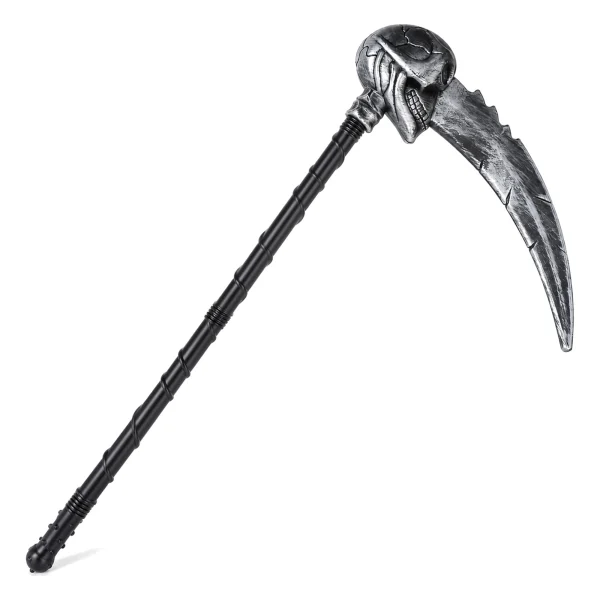
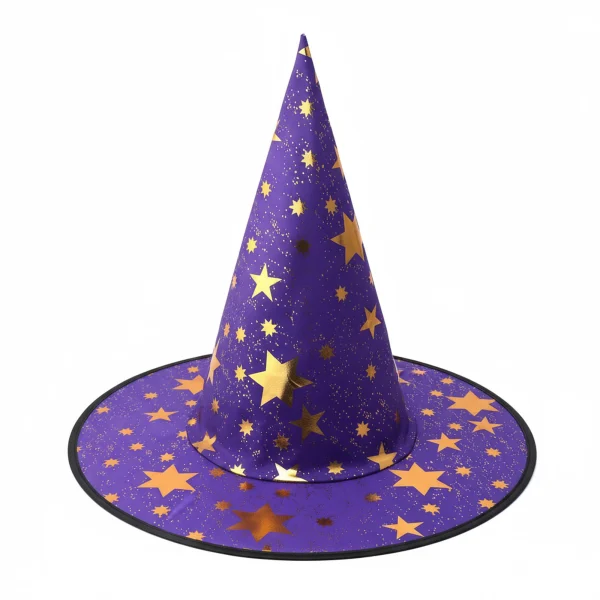
For the costume side of the theme, see the grim reaper costume guide, the witch costume accessories guide and our Halloween decorations and costume props.
Can you put fake spider web outside?
Wildlife experts advise keeping it indoors: the University of Illinois Wildlife Medical Clinic warns that animals can get tangled in fake spider webs and be unable to escape.
Audubon calls fake webs, particularly the gauzy synthetic kind, the biggest Halloween threat to birds, and notes that even webs hung flat against a wall can catch one. Both organizations suggest putting decorations on the inside of your windows instead.
If you still decorate a porch, the Olen web is meant for dry, covered spots only. Keep it away from bushes and open gaps, check it twice a day as Audubon suggests, bring it in before rain or wind, and take it down right after Halloween.
Safety around kids and pets
The 2 plastic spiders in the Olen pack are small parts, so keep them out of reach of young children and hang webbing above pet height.
- Cats in particular may bat at or chew loose strands, which they shouldn’t swallow.
- Let an adult do the setup, as the product listing recommends. Falls account for about 25% of the 3,200 Halloween-related injuries the CPSC estimates U.S. emergency departments treat each year, including falls while putting up or taking down decorations, so use a sturdy step stool, not a chair.
Taking it down and reusing it
Roll the web from one edge toward the center, then store it loosely in a dry box with the 2 spiders bagged separately.
Lightly stretched webbing can come out again next year, though it tangles more and covers a little less; heavily stretched or wet webbing is usually easier to replace. More seasonal pieces are in banners, garlands and decorations.
Step by step
- Plan your anchor points
Pick 2–4 anchor points such as door frames, window trim or shelf edges. Move candles, lamps and heaters away; the U.S. Fire Administration advises at least 12 in (30 cm) between a candle and anything that burns.
- Pull off a small piece
Tear off a tuft about the size of your palm rather than working with the whole pack.
- Flatten it into a pad
Press and tease the tuft with your thumbs until it's a flat, even pad with no hard knots.
- Stretch from the center out
Push your fingers into the middle and pull slowly, turning the piece a quarter turn between pulls, until the holes range from coin-size to fist-size.
- Hook the edges
Catch the outer edges on corners and rough surfaces, or press them under small pieces of painter's tape on smooth paint and glass.
- Add strands and layers
Draw thin strands from the main web out to nearby anchors, then lay a second, thinner piece over sparse areas.
- Place spiders and accents
Tuck the 2 included spiders into the strands at eye level and off center, and add one focal prop nearby.
Frequently asked questions
How much area does one pack of fake spider web cover?
A pack labeled 10 sq ft (0.9 sq m) covers that much only when stretched thin and see-through, which is about two door corners plus the top of a window. For a dense look, plan on roughly half the coverage, about 5 sq ft per pack.
Why does my spider web tear into clumps instead of stretching?
You're likely pulling too large a piece, or pulling too fast. Work with palm-size tufts, flatten them first, and pull slowly from the center in several directions.
How do I make fake spider webs stick to a smooth wall?
Webbing clings to texture, not to smooth paint or glass. Press the edges under small pieces of painter's tape, or anchor them to the door frame, window trim or nearby furniture instead.
How far should fake spider web be from candles?
The U.S. Fire Administration advises keeping candles at least 12 in (30 cm) from anything that burns, and the CPSC recommends battery-operated lights or glow sticks instead of open-flame candles in Halloween displays. Near a web, battery candles are the simpler choice.
Can I put fake spider web outside?
Wildlife groups advise against it, because birds and other animals can get tangled in the strands. If you use it on a dry, covered porch, keep it away from bushes and open gaps, check it twice a day as Audubon suggests, and take it down after Halloween. Webs on the inside of a window give the same look from the street.
Can I use spider web decoration on a basket or wreath?
Yes. Stretch a few small tufts thin and hook them over the weave or the wreath frame. A wreath or basket takes only a few tufts, so it's a good use for leftovers.
Can I reuse stretched spider webbing next year?
Lightly stretched webbing can be rolled up and stored in a box, though it tangles more and covers less the second time. Webbing that was stretched very thin or got wet is usually better replaced.
Is fake spider web safe around pets?
Hang it out of their reach. Pets, especially cats, may bat at or chew loose strands, and swallowing fibers isn't safe for them. Keep the plastic spiders out of reach too.
Sources
- U.S. Fire Administration — Holiday Fire Safety
- U.S. Consumer Product Safety Commission — CPSC Offers Safety Tips to Keep Hazards from Haunting Your Halloween
- University of Illinois College of Veterinary Medicine, Wildlife Medical Clinic — Wildlife Friendly Halloween Decorations
- Audubon — How to Have a Bird-Friendly Halloween